Xiang Li
 Ph.D. Student, College of AI, Tsinghua University
 Co-Founder, OpenPhoenix Team
I am currently a second-year Ph.D. student at CollegeAI, THU, advised by Prof. Yilun Chen and Prof. Ya-Qin Zhang. Prior to that, I received my B.Eng. degree from Dept. of Computer Sci. & Tech., THU.
I am also an intern of TARS Robotics. Prior to that, I had the pleasure of interning at AIR, THU.
My research interests include 3D Scene Understanding, Embodied AI, and Autonomous Driving, with the goal of developing highly generalizable embodied foundation models.
Education
-
College of AI, Tsinghua University
Ph.D. Student Sept. 2025 - Now
-
Department of Computer Science and Technology, Tsinghua University
B.Eng. in Computer Science Sept. 2021 - Jun. 2025
Honors & Awards
- Tsinghua Comprehensive Excellence Scholarship 2026
- Kindle Blue Scholarship 2025
- Tsinghua Doctoral Fellowship for Future Scholar 2025
- Outstanding Graduate of Department 2025
- Tsinghua Academic Excellence Scholarship 2022 / 2023 / 2024
- Tsinghua Art Excellence Scholarship 2022 / 2023
- Tsinghua Freshman Scholarship 2021
Experience
-
OpenPhoenix Team
Co-Founder Aug. 2026 - Now
-

TARS Robotics | AWE Research Team
Research Intern Feb. 2025 - Now
-

Institute for AI Industry Research, Tsinghua University
Research Intern Sept. 2023 - Aug. 2025
-

HKU Musketeers Foundation Institute of Data Science
Student Research Assistant Jul. 2024 - Sept. 2024
News
Selected Preprints (view all )
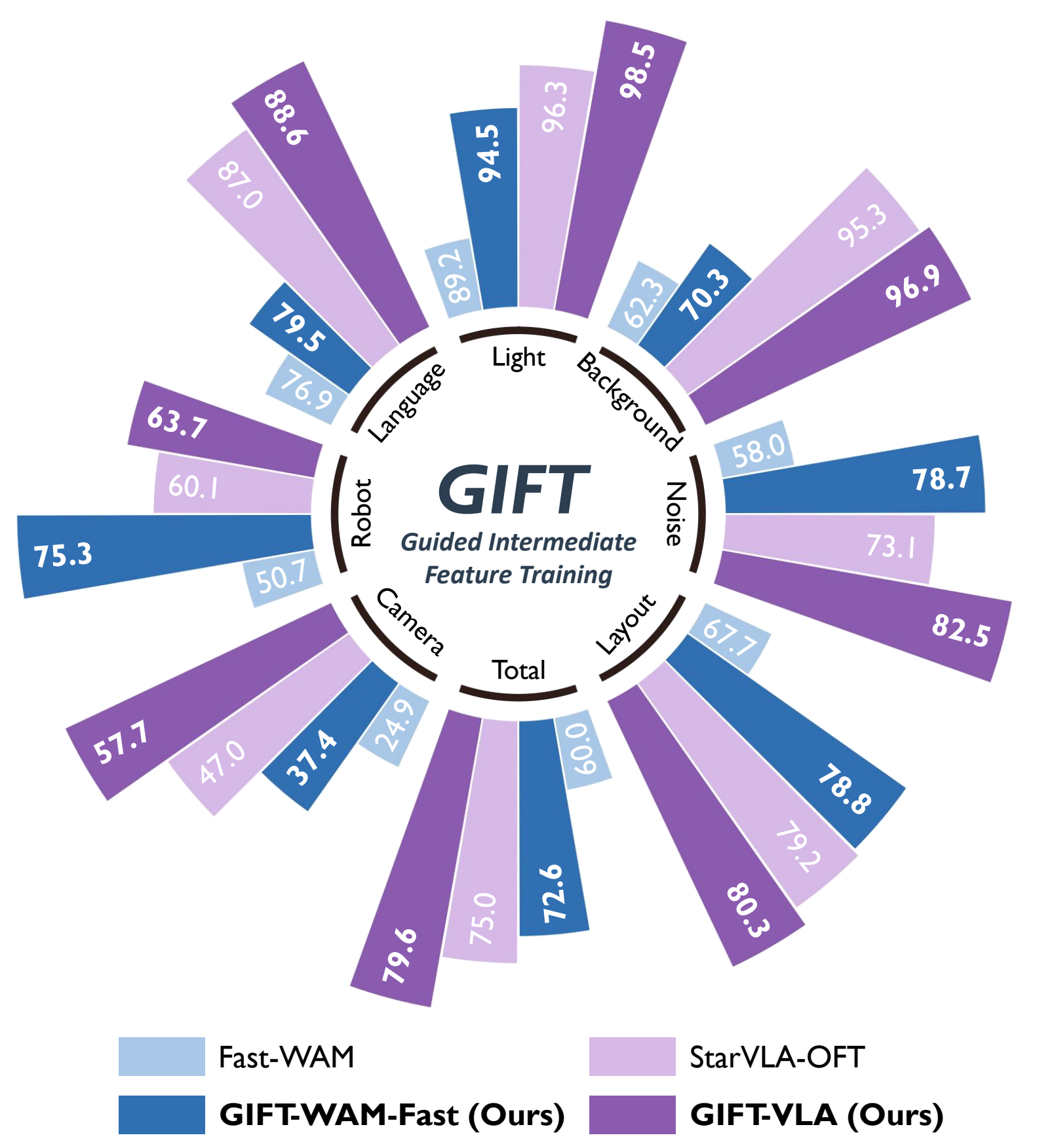
GIFT: Guided Intermediate Feature Training via Action-Oriented Structural Supervision for Robotic Manipulation
Yupeng Zheng*, Xiang Li*, Songen Gu*, Yuhang Zheng*, Shuai Tian, Weize Li, Linbo Wang, Chaoyue Li, Qichao Zhang, Haoran Li, Zhongpu Xia, Ya-Qin Zhang, Shuicheng Yan, Dongbin Zhao(* equal contribution)
Preprint 2026
GIFT guides intermediate features to preserve three control-relevant structures: geometry for motion feasibility, affordance for object-centric interaction, and goals for instruction-conditioned grounding. The same supervision principle transfers across a VLA and two WAM action formulations.
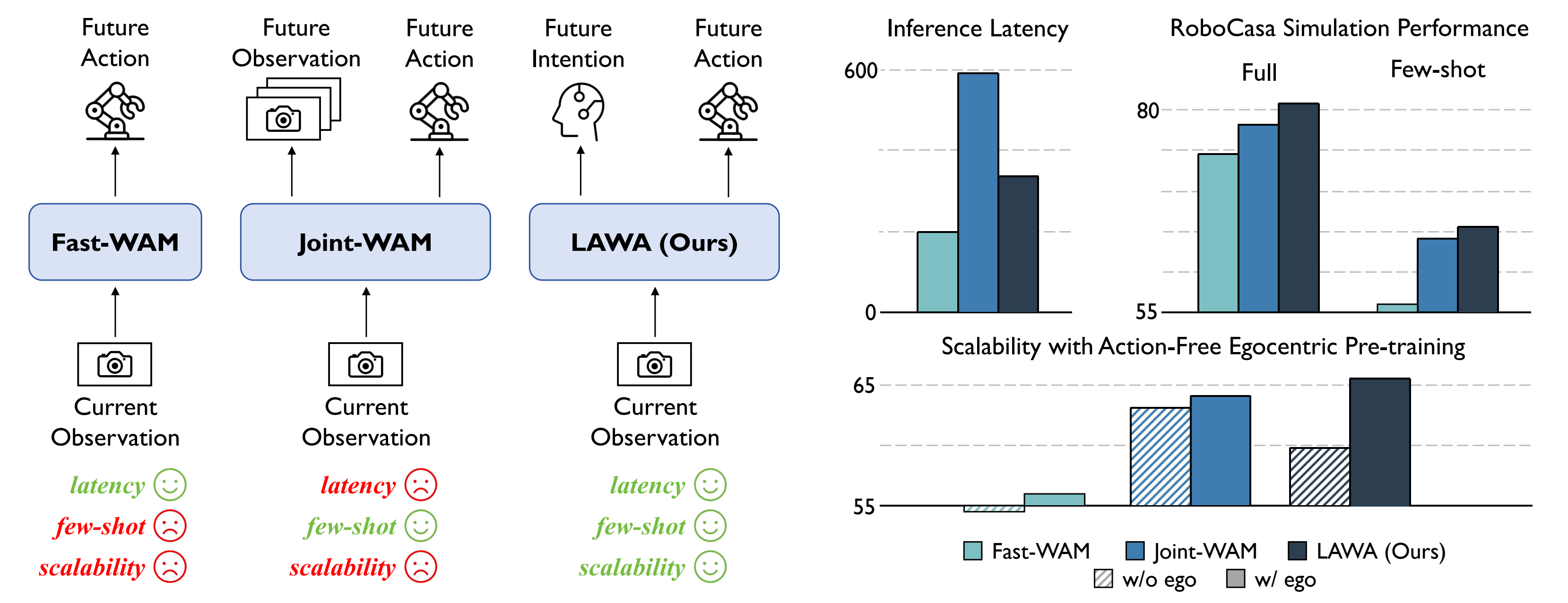
Latent Action as Intention Enables Efficient Future Imagination for World Action Models
Xiang Li*, Yupeng Zheng*, Songen Gu*, Huailiang Ma*, Feng Yu, Yuhang Zheng, Xian Nie, Shanshuai Yuan, Yujie Zang, Weize Li, Shuai Tian, Moyang Liu, Ya-Qin Zhang, Wenchao Ding(* equal contribution)
Preprint 2026
LAWA keeps the benefits of test-time future imagination for world action models while replacing expensive future-observation generation with compact latent intentions, yielding an effective trade-off among performance, generalization, and latency.
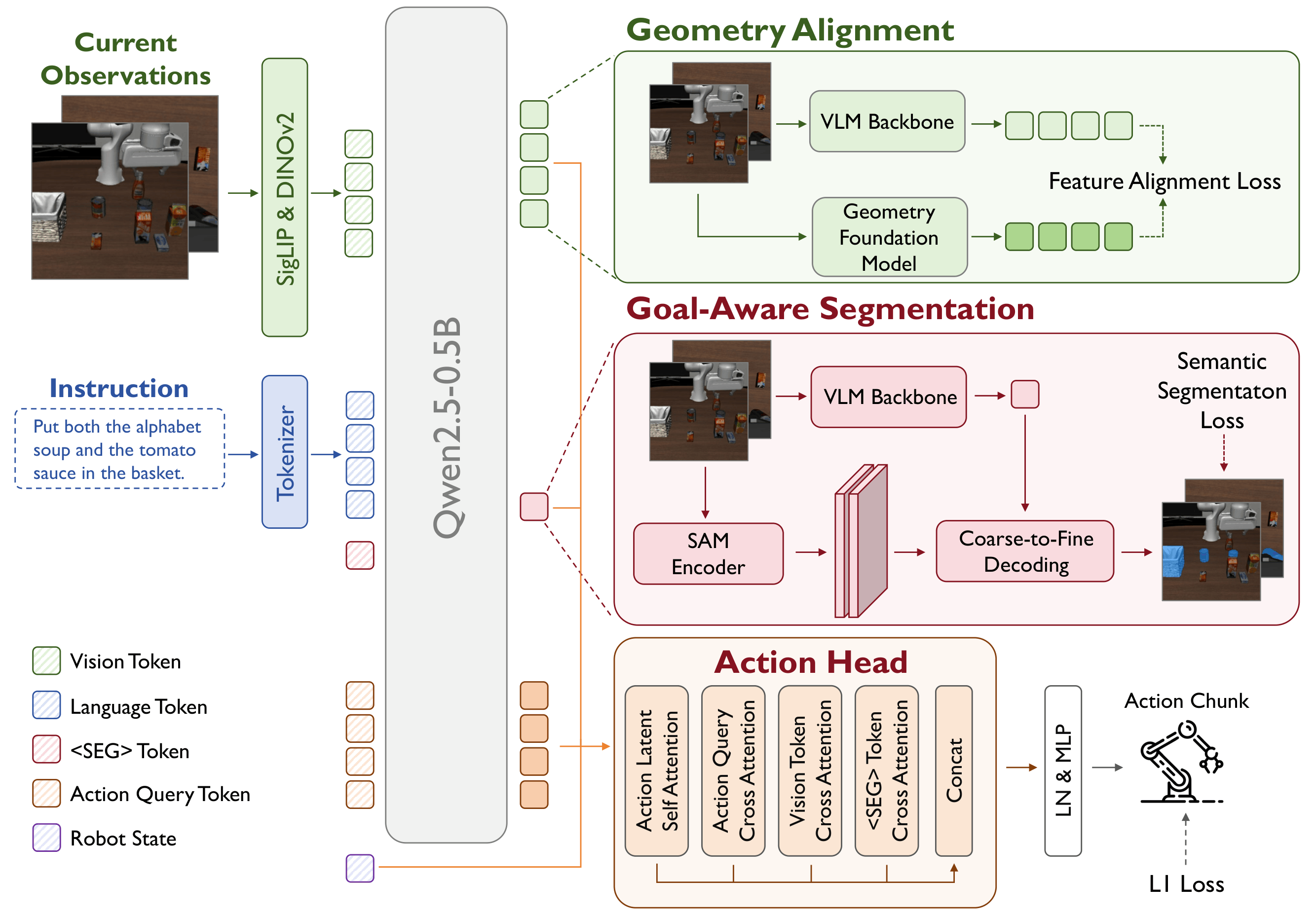
PokéVLA: Empowering Pocket-Sized Vision-Language-Action Model with Comprehensive World Knowledge Guidance
Yupeng Zheng*, Xiang Li*, Songen Gu*, Yuhang Zheng*, Shuai Tian, Weize Li, Linbo Wang, Senyu Fei, Pengfei Li, Yinfeng Gao, Zebin Xing, Yilun Chen, Qichao Zhang, Haoran Li, Wenchao Ding(* equal contribution)
Preprint 2026
We propose PokéVLA, a lightweight yet powerful foundation model for embodied manipulation that effectively infuses vision-language understanding into action learning.
All preprints
Selected Publications (view all )
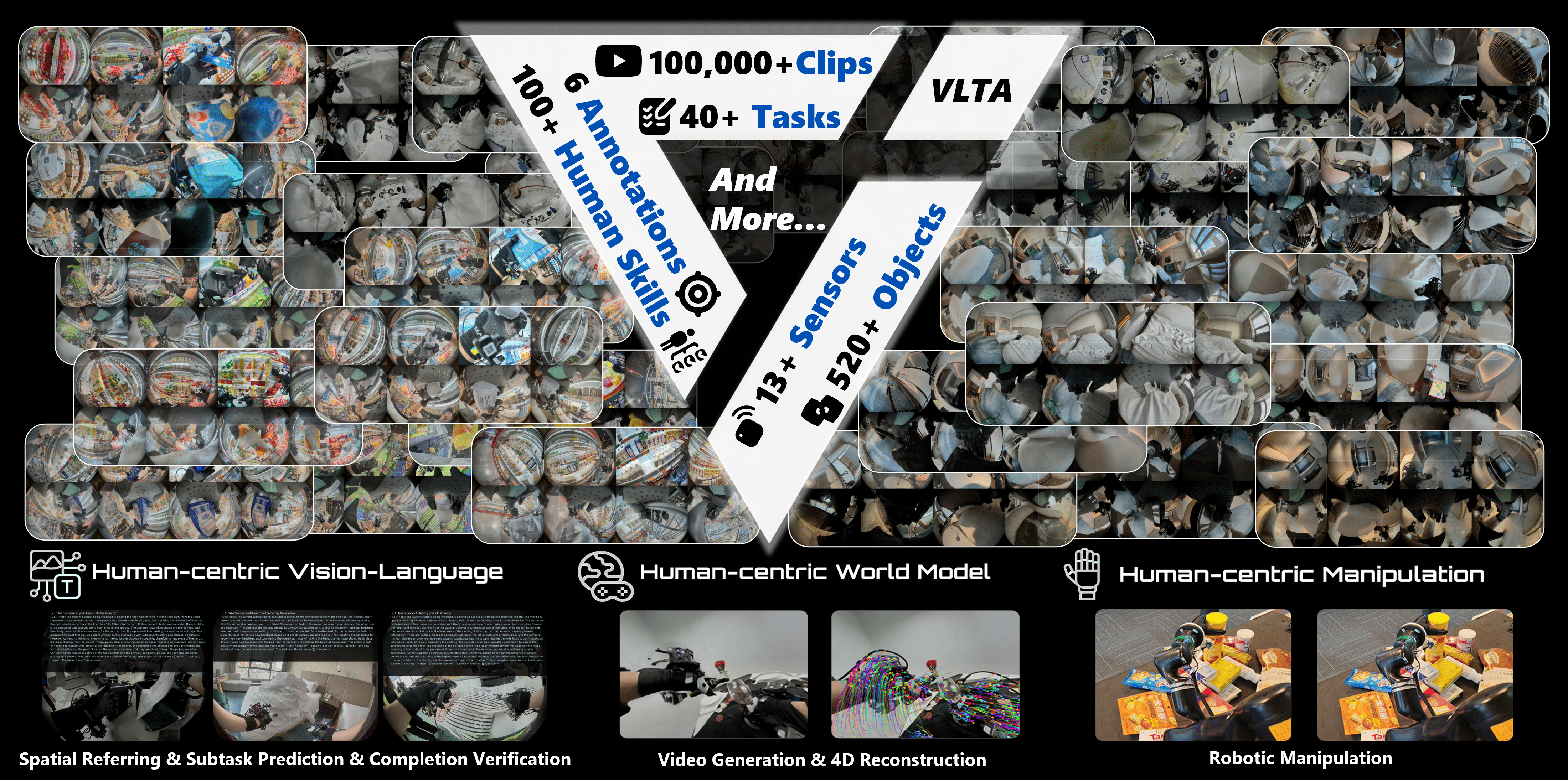
World In Your Hands: A Large-Scale and Open-Source Ecosystem for Learning Human-Centric Manipulation in the Wild
Yupeng Zheng*, Jichao Peng*, Weize Li#, Yuhang Zheng#, Xiang Li#, Yujie Jin#, Julong Wei, Guanhua Zhang, Ruiling Zheng, Ming Cao, Songen Gu, Zhenhong Zou, Kaige Li, Ke Wu, Mingmin Yang, Jiahao Liu, Pengfei Li, Hengjie Si, Feiyu Zhu, Wang Fu, Likun Wang, Ruiwen Yao, Jieru Zhao, Yilun Chen, Wenchao Ding(* equal contribution)(# core contribution)
Conference on Robot Learning (CoRL) 2026
We introduce World In Your Hands (WIYH), a large-scale open-source ecosystem with over 1,000 hours of in-the-wild human manipulation data, rich multimodal annotations, and benchmarks for human-centric manipulation learning.
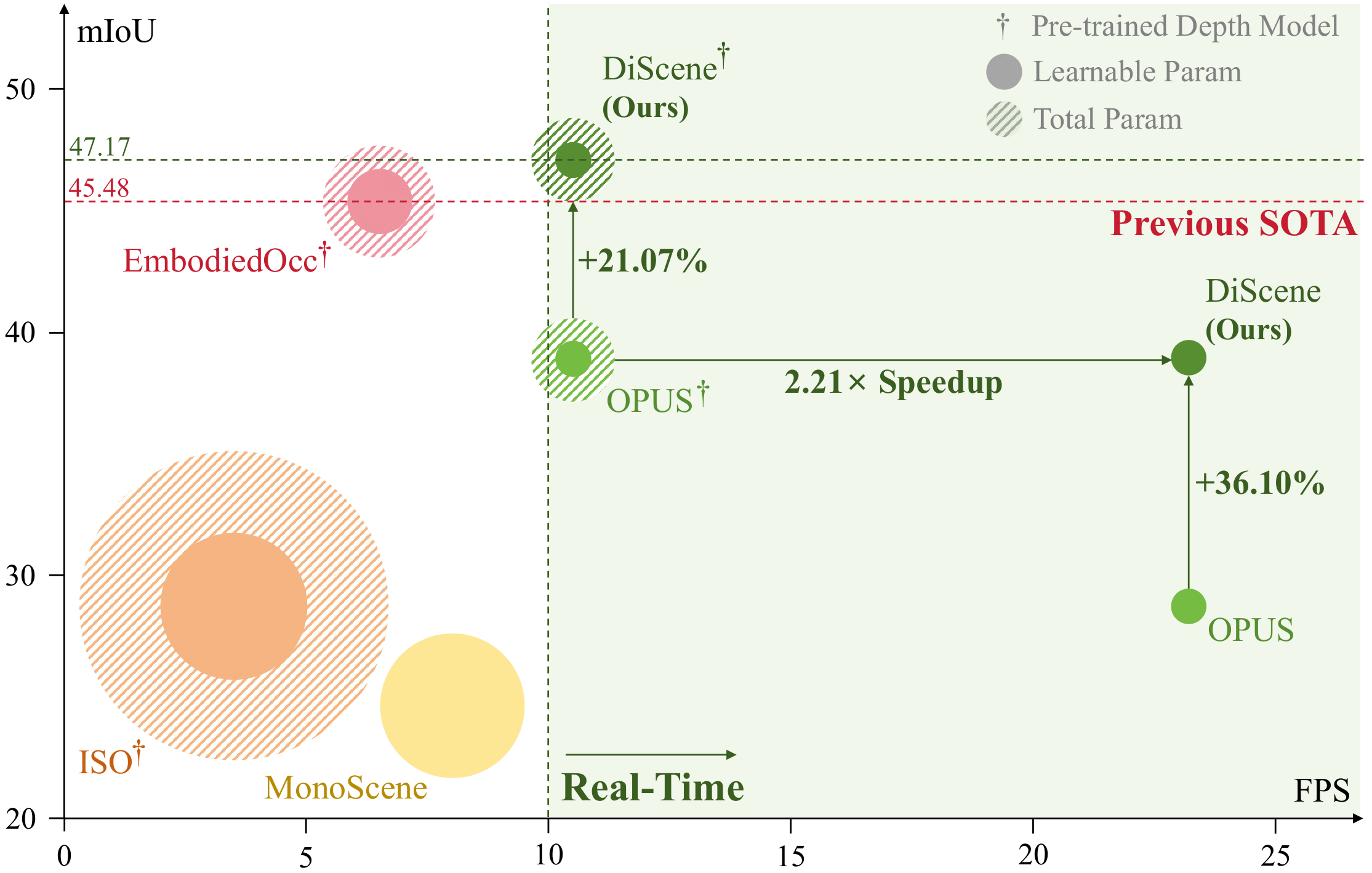
Enhancing Indoor Occupancy Prediction via Sparse Query-Based Multi-Level Consistent Knowledge Distillation
Xiang Li, Yupeng Zheng, Pengfei Li, Yilun Chen, Ya-Qin Zhang, Wenchao Ding
IEEE Robotics and Automation Letters (RA-L) 2025
We pioneer a hierarchical distillation strategy that establishes coordinated knowledge transfer between teacher and student models and progressively incorporates guidance information, specifically designed for sparse query-based occupancy prediction.
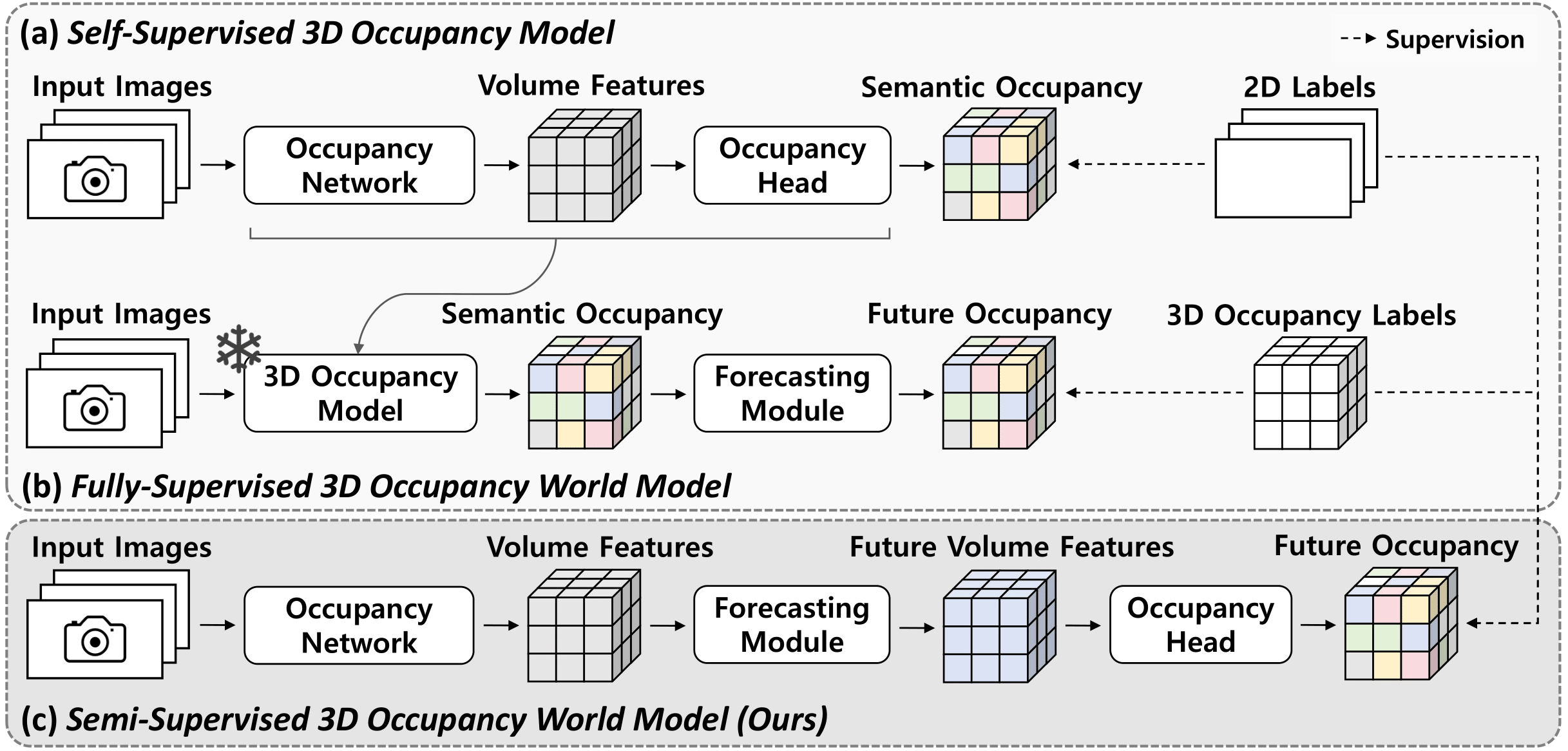
Semi-Supervised Vision-Centric 3D Occupancy World Model for Autonomous Driving
Xiang Li, Pengfei Li, Yupeng Zheng, Wei Sun, Yan Wang, Yilun Chen
International Conference on Learning Representations (ICLR) 2025
Our semi-supervised 3D occupancy world model, featuring 2D rendering supervision and an end-to-end architecture, can forecast future occupancy straightly from image inputs while taking advantage of 2D labels.
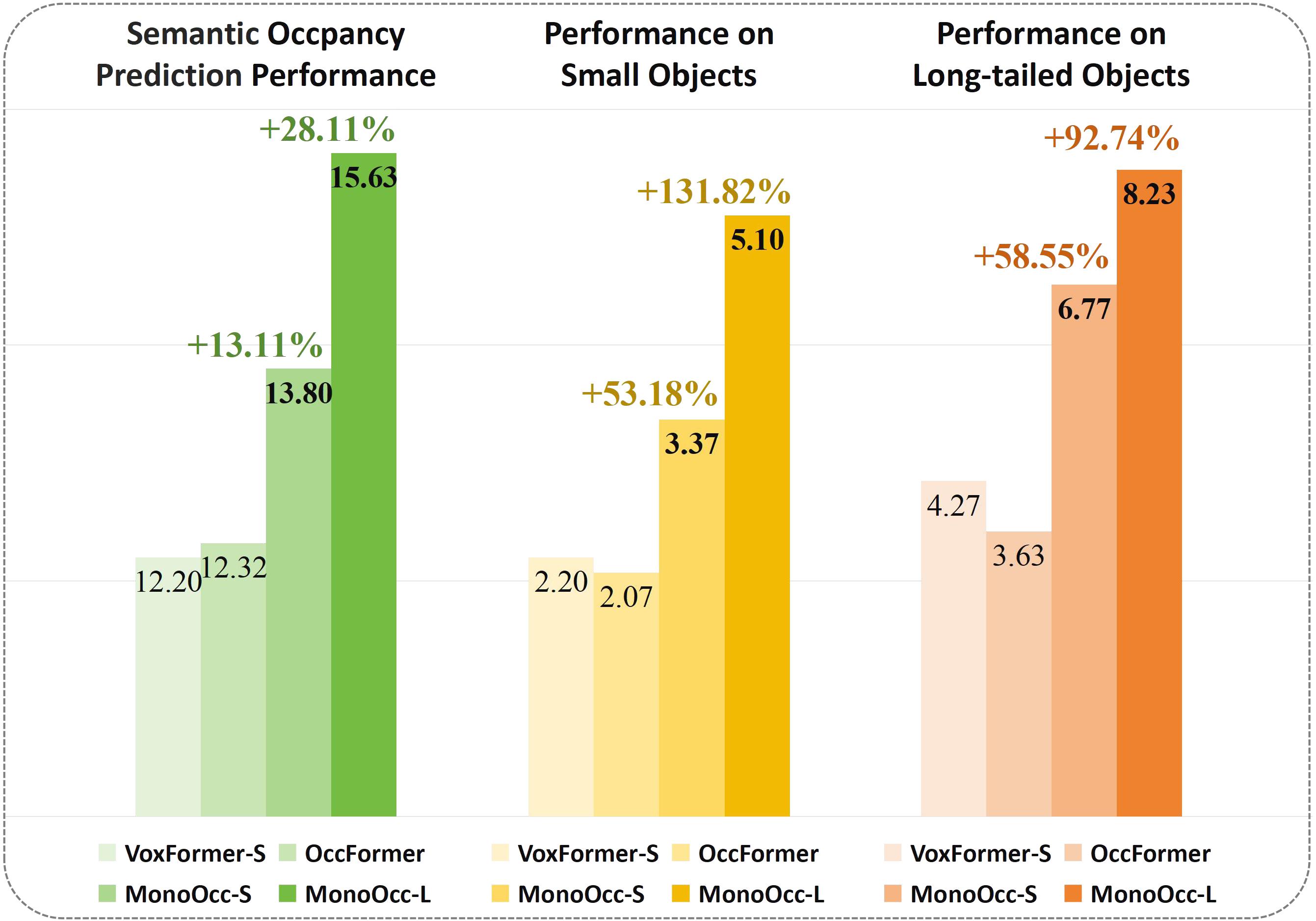
MonoOcc: Digging into Monocular Semantic Occupancy Prediction
Yupeng Zheng*, Xiang Li*, Pengfei Li, Yuhang Zheng, Bu Jin, Chengliang Zhong, Xiaoxiao Long, Hao Zhao, Qichao Zhang(* equal contribution)
IEEE International Conference on Robotics and Automation (ICRA) 2024
By proposing a distillation module to transfer temporal information and richer knowledge to the monocular branch from a privileged branch, we increase the performance of the framework especially on small and long-tailed objects, while striking a balance between performance and efficiency.